

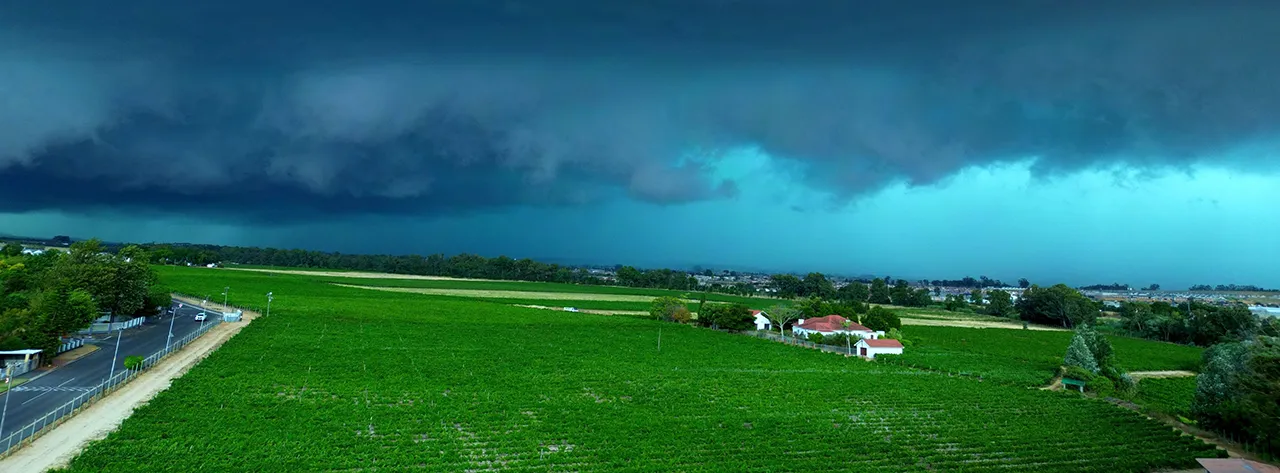
South Africa’s summer storms are known for their power and unpredictability. Heavy rain, lightning, strong winds and hail often arrive with little warning, catching many property owners off guard. While extreme weather cannot be controlled, the impact it has on your home, business or agricultural operations can be significantly reduced through thoughtful preparation and regular maintenance.
Start with what you can control
Storms arrive differently across the country, but the fundamentals of preparation remain the same: keep your property in good condition, understand your risk exposure and make sure your insurance aligns with your needs. These three elements form the foundation of storm resilience.
Keep maintenance up to date
Routine maintenance is often the best defence against unexpected damage. A roof in sound condition, clear drainage, stable structures, working electrics and well-kept outdoor spaces all contribute to limiting the impact of severe weather. Keeping dated photos or invoices from tradespeople, for example for roof or plumbing, is also good practice, as it demonstrates responsible upkeep when a claim is assessed.
Review your cover before you need it
Insurance should reflect the current value of your buildings and the realities of your daily operations. Replacement costs change over time, especially with the rising cost of materials and the addition of features such as solar installations or recent renovations.
For businesses and farmers, business interruption or loss-of-income cover should take into account the downtime that weather-related damage can cause. Understanding your policy excess and any exclusions ensures that there are no surprises later.
Understand your region’s weather behaviour
Not all storms are the same.
Knowing the patterns in your region helps you focus on the protections most relevant to your property.
Make outdoor areas storm-resilient
When wind picks up, everyday items can become hazards. Garden chairs, loose signage, shade cloths, tools and unsecured materials can break windows, damage vehicles or clog drainage systems. Regularly trimming branches and securing outdoor items is one of the simplest ways to prevent storm-related incidents.
Lightning and electrical protection
South Africa’s high lightning activity makes surge protection an essential part of storm preparedness. A lightning conductor can protect taller structures, while surge protectors, whether plug-in options or whole-property systems, help shield electronics, appliances, inverters and security systems from power fluctuations. These measures reduce the risk of costly electrical failures during turbulent weather.
Agricultural planning
Farms face a unique set of risks, particularly during storm season.
Prioritise roofs and drainage
Although maintenance applies across the property, the roof and drainage systems deserve particular attention. Damaged tiles, loose sheeting or worn waterproofing can quickly turn a storm into a costly repair.
Blocked gutters prevent water from flowing away and can cause internal ceiling damage. Regular cleaning and inspections, especially after long dry periods, help avoid these issues.
Prepare an emergency plan
Storm readiness also includes planning for immediate action.
Storm season forms part of South Africa’s annual weather cycle, and preparation is far more effective when viewed as an ongoing habit rather than a once-off task. With the right planning, you can minimise disruptions, protect your assets and strengthen your resilience against nature’s unpredictability.
If you have any questions or require any additional information, please feel free to contact us.
Source: https://www.safireinsurance.com/news-articles/news-articles-2025/storm-season-is-coming/